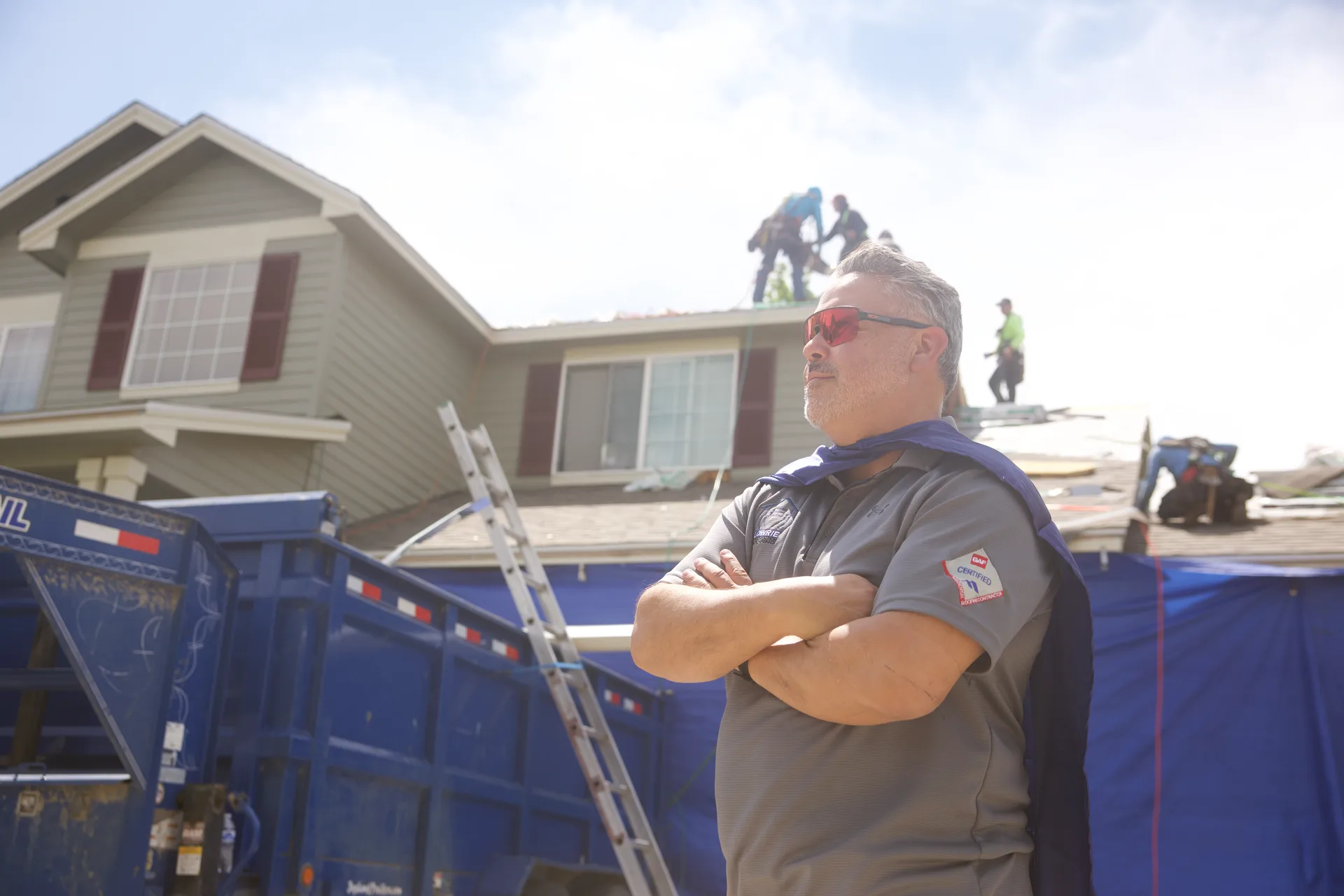


Filing a roofing claim after storm damage is a complex process. Being aware of industry traps is critical to securing a full restoration and protecting your wallet.
Trap 1: Hiring "Storm Chasers"
Out-of-state contractors flock to Colorado after major hailstorms. These "storm chasers" use high-pressure sales tactics to sign contracts, install low-grade materials quickly, and disappear before city inspections are complete. Always choose a locally owned and operated contractor with a physical office and local references.
Trap 2: Falling for "Free Deductible" Schemes
Some contractors offer to "waive" or absorb your deductible. In Colorado, this is illegal under state law (C.R.S. 18-13-119.5) and constitutes insurance fraud. Homeowners and contractors who participate can face criminal charges. A reputable contractor will help you maximize your claim value legitimately but will never offer to cover your deductible.
Trap 3: Signing an Assignment of Benefits (AOB)
An Assignment of Benefits contract transfers your insurance rights and claim controls to the contractor. This allows them to file lawsuits or negotiate settlements without your consent. Keep control of your claim. Work with a contractor who advocates for you but keeps you as the decision-maker.
Trap 4: ACV vs. RCV Policies
Actual Cash Value (ACV) policies only pay for the depreciated value of your roof based on its age. Replacement Cost Value (RCV) policies pay the full cost to replace the roof today. Make sure you understand which policy you have, as ACV policies will require you to pay significant out-of-pocket costs.
Trap 5: Skipping Pre-Filing Inspections
Filing a claim without documented storm damage can count against your policy history. Always have a trusted roofing professional conduct a drone inspection to verify damage before contacting your insurance company.